

Introduction
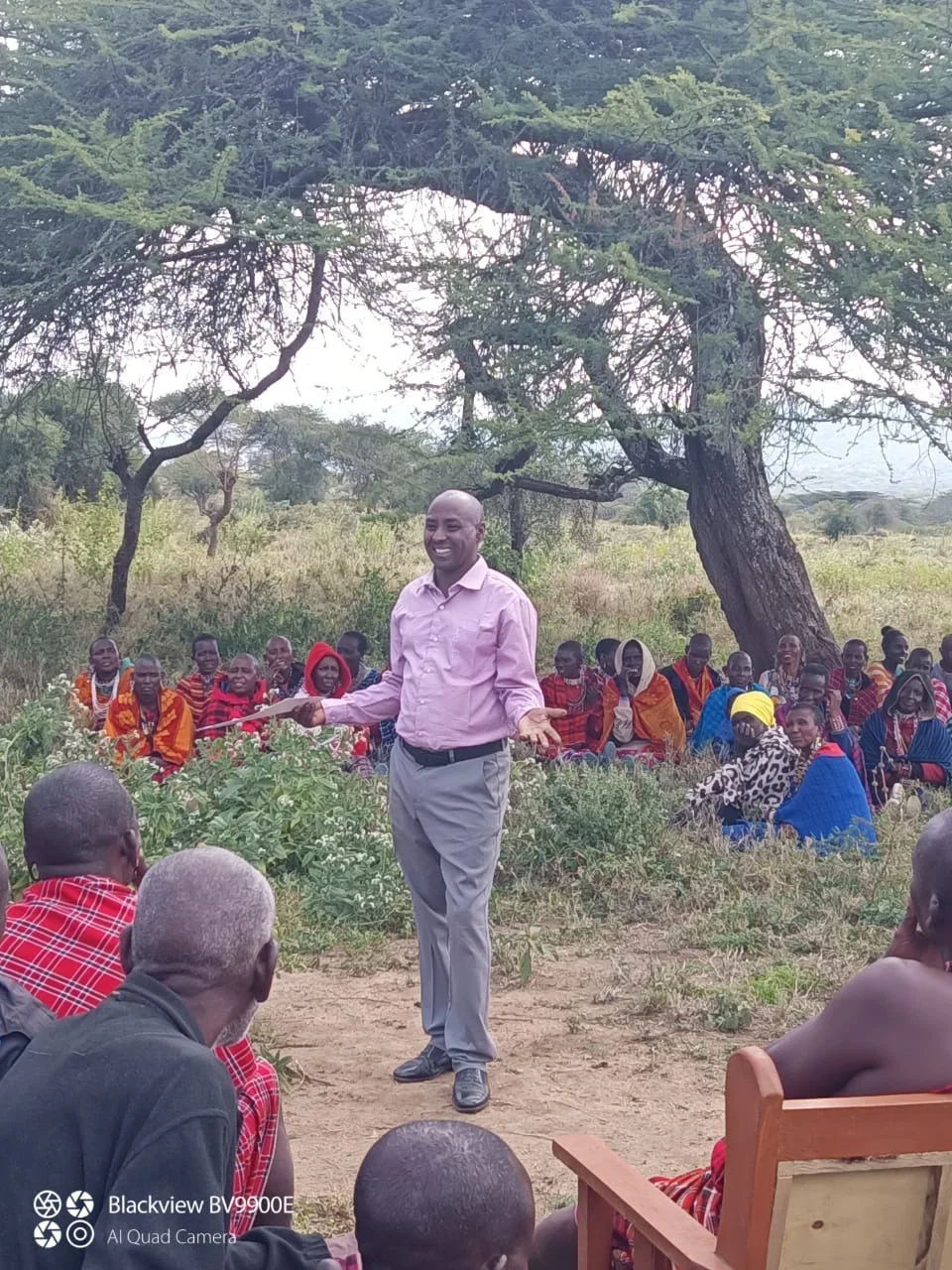
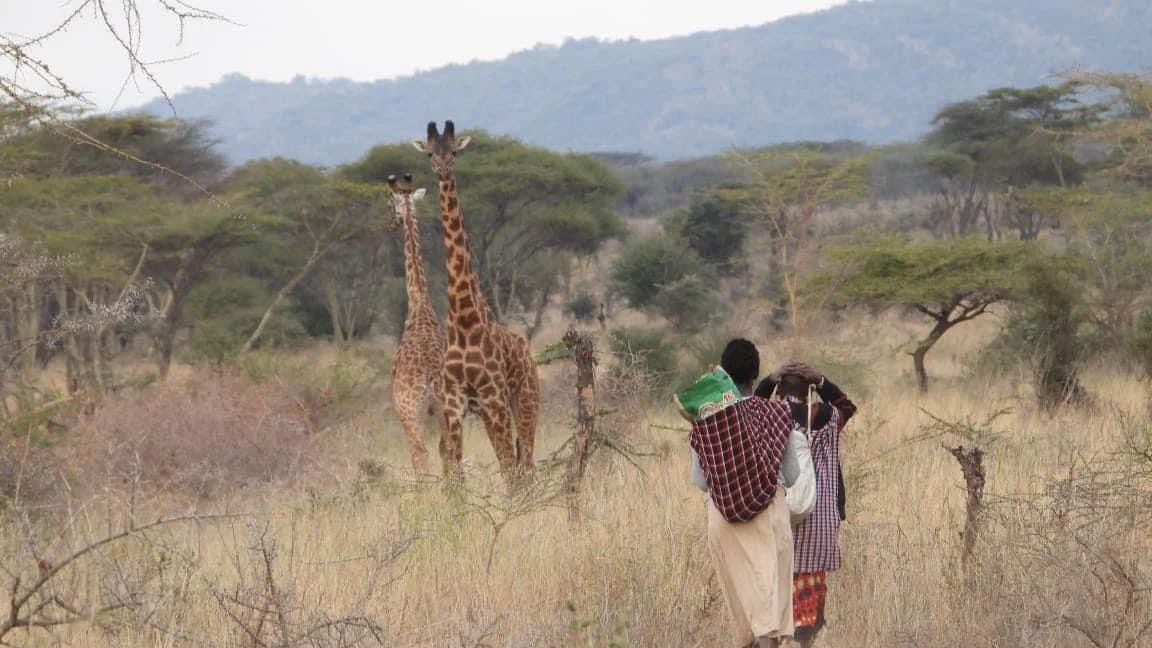
Ilesai (Elesai) Conservancy is a community-owned conservancy started by 37 Maasai land owners who collectively agreed to practise wildlife conservation alongside pastoralism — their traditional way of life and main source of income. The agreement followed several mobilisation meetings held in different bomas, prompted by a sudden rise in poaching cases and growing awareness of the benefits of wildlife conservation elsewhere.
Our Conservation Philosophy
“Ilesai’s members believe that conserving wildlife, culture and the environment together will translate into community development and the introduction of tourism — creating employment for the people who live here.”
Conservancy Objectives
- Maintain ecosystem health through controlled human activities.
- Adopt strategic measures that help control human–wildlife conflict.
- Collaborate with wildlife conservation organisations to boost the success of the conservancy.
Physical Features
Vegetation
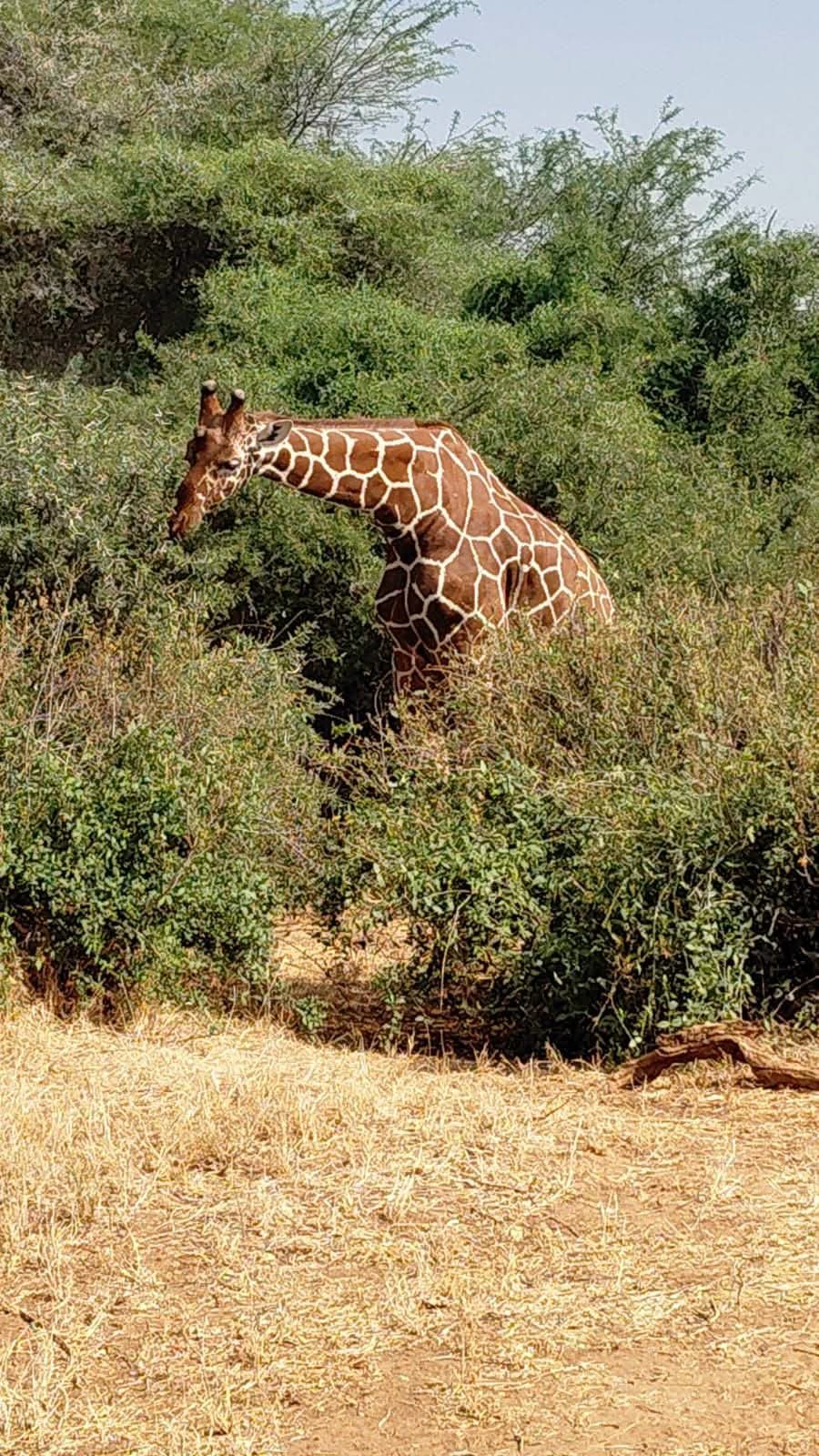
Most of the conservancy is savannah, making it suitable habitat for grazing wildlife.
Seasonal Rivers
The Olkejuado River cuts across the conservancy and is known for the flat, carpet-like rocks spread along its bed — the source of the conservancy’s name.
Water Sources
Earth dams and boreholes, both community and privately owned, serve people and wildlife. Earth dams are reliable only in the rainy season.
Roads & Network
Reachable by earth roads that traverse most of the conservancy; network coverage is good across most areas.
Institutions
Two primary schools and several feeder schools. There is no health centre — members use Emotoroki Health Centre in neighbouring Osewan Conservancy.
Climate
Rainfall of 500–800 mm a year, with short rains September–December and long rains March–June.
Ecological Zone
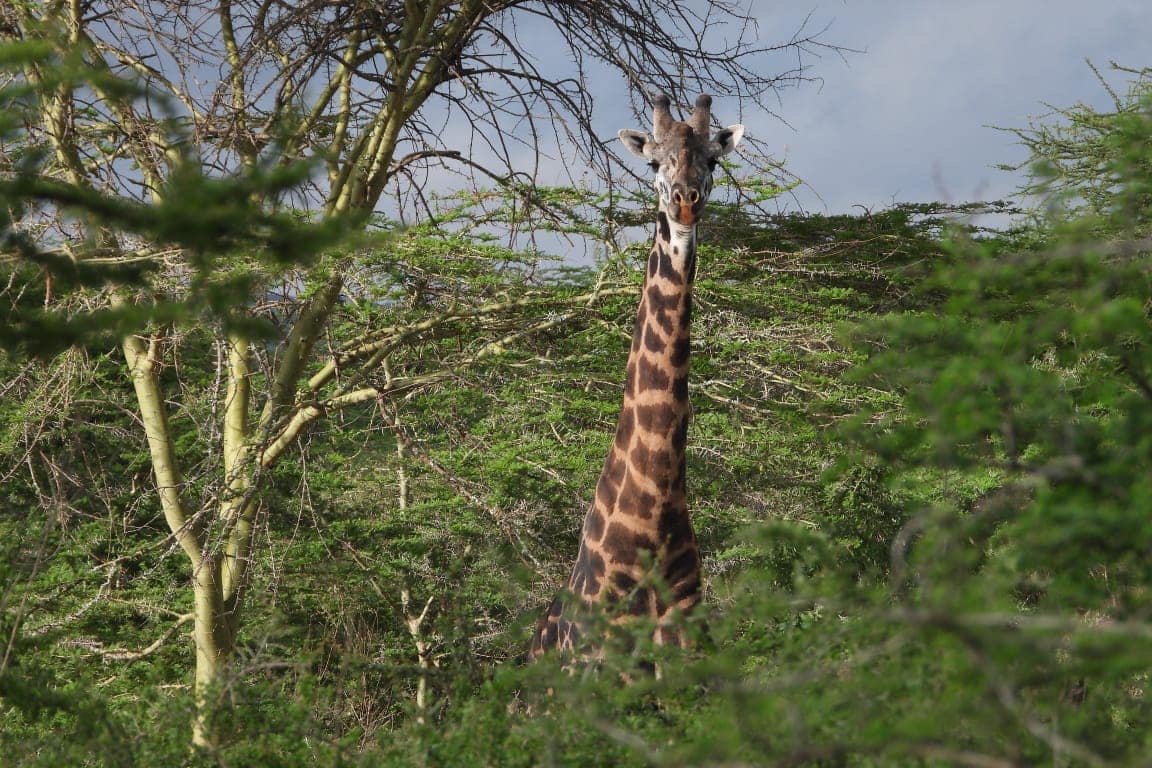
Acacia thorn plains — Acacia tortilis (oltepesi), Acacia seyal (olerai), Balanites aegyptiaca (olng’osua), Acacia mellifera (oiti) and Commiphora africana (osilalei), among others.
Scenic Features
Carpet-like riverbed rocks ideal for sun-basking, plus rich birdlife and wildlife viewing.
Iconic Species
Elephants, leopards and wild dogs pass through on migration routes; monkey populations are also growing.
Curious how Ilesai Conservancy fits into the wider picture? See all ten registered conservancies or read the story of how RAMAT Wildlife Society began.